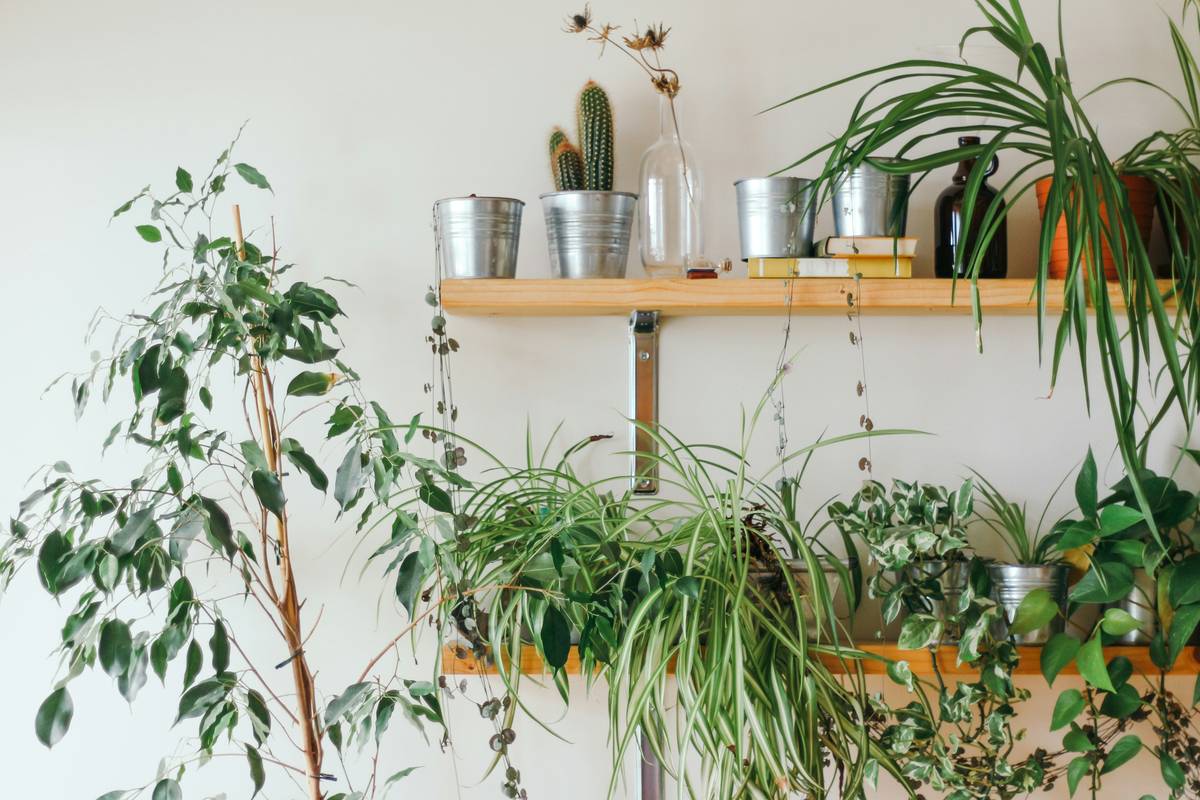
Space-starved gardeners keep cramming herbs into cracked clay pots—then wonder why nothing thrives. Sunlight’s blocked. Drainage’s poor. Roots rot in silence. The real issue? Horizontal thinking in a vertical world. But what if your walls could feed you? A vertical gardening planter garden how to system flips the script—turning forgotten surfaces into lush, productive zones.
Why Traditional Planters Fail Urban Gardeners
Flat beds and standard pots hog square footage you don’t have. And they ignore physics—water pools at the bottom, starving top roots while drowning lower ones. Most “space-saving” planters are just decorative boxes with drainage holes drilled as an afterthought. They look cute for a week. Then mold creeps up. Plants yellow. You toss them.
Vertical gardening isn’t about stacking pots on a shelf. That’s lazy—and unstable. True vertical systems manage weight distribution, moisture gradients, and airflow simultaneously. Ignore that? Your “garden” becomes a compost bin leaning against drywall.
Vertical Gardening Planter Garden How To: Build It Right
Forget prefab kits clogging big-box store aisles. Real control comes from custom builds. Here’s the sequence pros use—not Pinterest hacks.
Select Your Structure Type
Wall-mounted? Freestanding tower? Pocket panel? Each has trade-offs. Wall units need stud anchoring—renters beware. Towers offer 360° access but cast shade on themselves. Pocket systems breathe better but demand frequent watering.
Prioritize Drainage Over Design
A planter without independent drainage per pocket is begging for root rot. Drill exit holes at the lowest point of each chamber—not just the base of the whole unit. And line interiors with geotextile fabric. It wicks excess moisture without washing out soil.
Soil Isn’t Dirt—It’s Engineered Media
Garden loam compacts vertically, suffocating roots. Mix 40% coco coir, 30% perlite, 20% compost, and 10% horticultural charcoal. This blend stays aerated under pressure and resists souring during humid weeks.
| System Type | Upfront Cost | Watering Frequency | Ideal For |
|---|---|---|---|
| Modular Pocket Panel | $45–$85 | Every 1–2 days | Herbs, strawberries, small flowers |
| Stacked Tier Tower | $70–$130 | Every 2–3 days | Lettuce, spinach, dwarf tomatoes |
| Wall-Mounted Gutter System | $60–$110 | Daily (no reservoir) | Meso-herbs like thyme, oregano, chives |
| Self-Watering Vertical Planter | $120–$200 | Every 5–7 days | Busy gardeners, hot climates |
Install Micro-Irrigation Early
Run 1/4-inch drip lines through each tier during assembly. One emitter per planting cell. Connect to a timer. Skip this? You’ll drown your back trying to water a 6-foot column evenly.
The Industry Secret: Gravity Is Your Fertilizer Distributor
Most DIY guides treat vertical gardens like flat plots rotated 90°. Big mistake. Nutrients behave differently when gravity pulls solution downward through stacked media. Top pockets get diluted; bottom ones accumulate salts. The fix? Reverse fertigation.
Here’s how: Inject liquid fertilizer into your drip system at the bottom emitter first. As it wicks upward via capillary action, concentration equalizes across all levels. Test this with EC meters—you’ll see uniform parts-per-million from top to base. Commercial growers hide this trick because it cuts their fertilizer sales by 30%. But for home users? It means healthier plants, less waste, and no more burnt leaf edges on your basil.
Frequently Asked Questions
Can I grow tomatoes in a vertical planter?
Yes—but only determinate or dwarf varieties like ‘Tiny Tim’ or ‘Patio Princess.’ Indeterminate types get too heavy and shade lower plants.
How much sun does a vertical garden need?
At least 6 hours of direct sunlight. South-facing walls work best. East or west exposures require shade-tolerant greens like kale or arugula.
Do vertical planters damage house siding?
Only if mounted directly. Always leave a 2-inch air gap using standoff brackets. This prevents moisture buildup and lets airflow protect your wall.